
When you arrive in Rome, your instinct drives you straight toward a plate of tonnarelli cacio e pepe or a portion of coda alla vaccinara. This is completely normal. Anyone who has walked for hours through the alleys of Trastevere or around the Colosseum deserves that kind of hearty comfort. In this city, however, seventh-generation Romans are now a minority. Rome has always welcomed workers and recipes from every corner of the peninsula. While the Piedmontese brought the government ministries and people from the south built entire neighborhoods after the war, everyone packed the flavors of home in their suitcases. So, if you walk through the streets of the center or venture just outside, you discover a parallel culinary geography. Eating food from Emilia, Campania, or Sicily in Rome is not a fallback option. It is often the best choice of the day, as long as you know which door to knock on.
Emilian pasta just a short walk from piazza Barberini
Let's start from the north, specifically from a region that takes no lessons from anyone when it comes to fresh pasta. There is a place, just a few minutes' walk from the metro station, where the air smells of butter and meat broth. It is called Colline Emiliane, located right in the center and run by the same family since 1931. Here, they do not mess around with the tradition of handmade pasta dough. When you walk in, there is a high chance you will see the pasta makers at work behind the glass, rolling out the dough with a wooden rolling pin.
The specialty is the tortellini in capon broth, tiny and folded by hand one by one. If a September day starts to feel chilly, this dish brings you back to life. A solid alternative is the tagliatelle with Bolognese ragù, where the meat cooks slowly for hours. Prices are in the mid-to-high range, but the quality of the ingredients and the precise service make it worth the expense. For updated opening hours, it is best to check their official website directly. I recommend booking well in advance by calling them directly, especially for weekend lunch.
Authentic Campania food in the streets of Flaminio
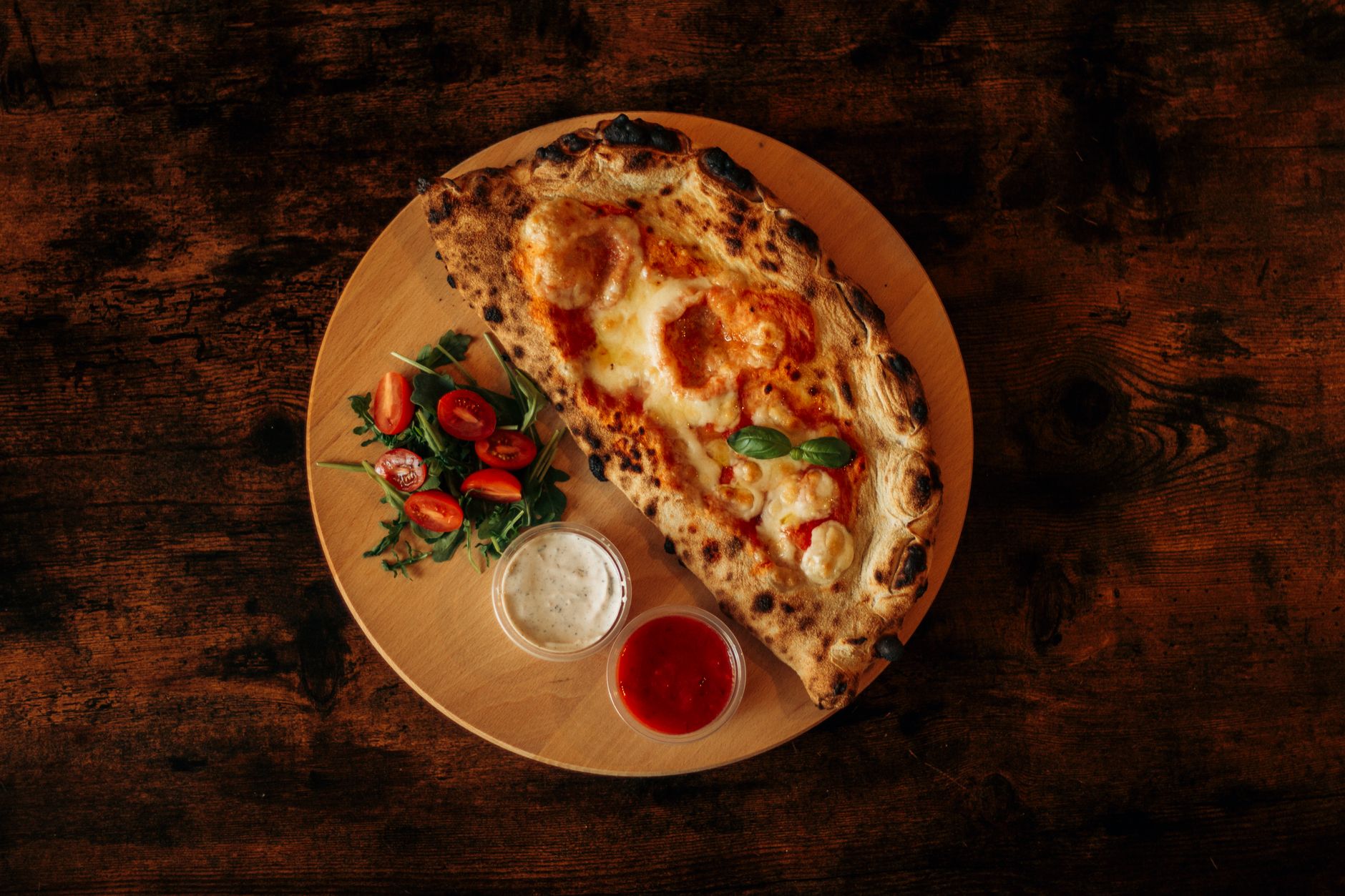
If you are looking for something more informal, just take the metro and get off at the Flaminio stop. A five-minute walk toward the river brings you to the pizzeria. Here you will find the Rome branch of Antica Pizzeria Da Michele, the historic Neapolitan brand that serves simple, no-frills pizza. In Naples, they say the pizza should overflow the plate, and here that rule is followed to the letter. The menu is stripped down to the essentials: marinara and margherita, with very few variations added over the years.
The crust is thin, the rim is soft, and the ingredients come straight from the south. It is a pizza to be eaten quickly, even if you burn your fingers. Prices are budget-friendly, making this place an ideal stop for a quick lunch before visiting local museums or taking a walk in Villa Borghese. They do not accept reservations for small groups, so it is best to show up very early for lunch, around 12:15 PM, or for dinner around 7:15 PM, to avoid the long lines on the sidewalk. To check updated hours, I refer you to the Turismo Roma portal, which lists seasonal changes for businesses in the historic center.
The flavors of Sicily in the heart of Monti
To end your meal with something sweet, or for a quick snack, head toward the Monti neighborhood. From the metro stop, walk up the street until you find Ciuri Ciuri. It is a small spot specializing in Sicilian pastry that has kept its standards high over the years, without giving in to the pressures of mass tourism that has changed the face of this area.
The highlight is the cannolo, filled with sheep's milk ricotta on the spot so the shell stays crispy. You can choose the classic size or a mini one if you just want a taste, and add chopped pistachios or chocolate chips. Along with the cannoli, the ragù arancine are worth a stop, perfect for a savory snack on the go while exploring the neighborhood's alleys. For updated pastry prices, it is best to check directly at the shop. The place is open every day from early morning until late at night, and has become a landmark for anyone walking through Monti after dinner.
September weather and outdoor tables
September in Rome is a special month. The hot summer days give way to crisper air, especially toward evening, when the ponentino wind cools down the streets. It is the ideal time to look for those trattorias that offer small outdoor seating areas, perhaps in some alley sheltered from the traffic. To discover other regional eateries or temporary food events in the city, you can check the pages of RomaToday, which constantly monitors the Roman restaurant scene.
To move between these different culinary stops, the best option remains the metro or walking. If you decide to use public transport, you can consult the portale del Comune di Roma to check for any bus line diversions or metro schedules during autumn weekends. Avoid unofficial taxis waiting outside stations and always choose regular white cabs with a clearly visible meter. Eating well in Rome, while discovering the cuisines of other regions, requires only a little planning and the curiosity to look beyond the usual tourist menus.