April in Rome always catches you off guard. The air warms up suddenly, metal tables appear on the sidewalks of Testaccio, and you sit down convinced you are about to order the definitive Italian lunch. You are wrong. Italian cuisine does not exist. Regional cuisines exist, and the Roman one is a beast of its own. It is heavy, savory food built on slaughterhouse scraps and aged pecorino cheese. If you use Rome as a base to travel around Italy, you will soon notice that as soon as you board a train at Stazione Termini, the menu changes radically. Many tourists arrive in Italy looking for a uniform gastronomic experience, expecting to find perfect lasagna in Palermo or fresh cannoli in Venice. The reality is that every region has rigid culinary borders. Rome is an excellent starting point to understand these differences, precisely because its identity at the table is so overwhelming that the contrast with other cities is immediate.
Rome and Naples an hour away by train
Rome has the sea. Ostia is a half-hour train ride away. Yet, on the table, the mainland rules. Offal, guanciale, lamb, pork. Take a Frecciarossa, get off at Napoli Centrale seventy minutes later, and the rules flip. Campanian cuisine works on acidity, the freshness of tomatoes, and seafood. In Rome, tomatoes are cooked for a long time, reduced for oxtail stew or amatriciana. In Naples, it slides quickly over a margherita or just barely stains spaghetti with clams. It is a matter of climate, sun, and trade history. Those who want to study these dynamics in depth can read an overview of Campanian gastronomic traditions. If you have a few days off in spring, a trip to Naples shows you how much of a carnivorous island Rome is compared to the southern coast. In Rome, you order rigatoni with pajata and prepare for a slow digestion. In Naples, you eat a fried mix in a paper cone while walking through the Quartieri Spagnoli and half an hour later you are hungry again.
The gothic line of pasta
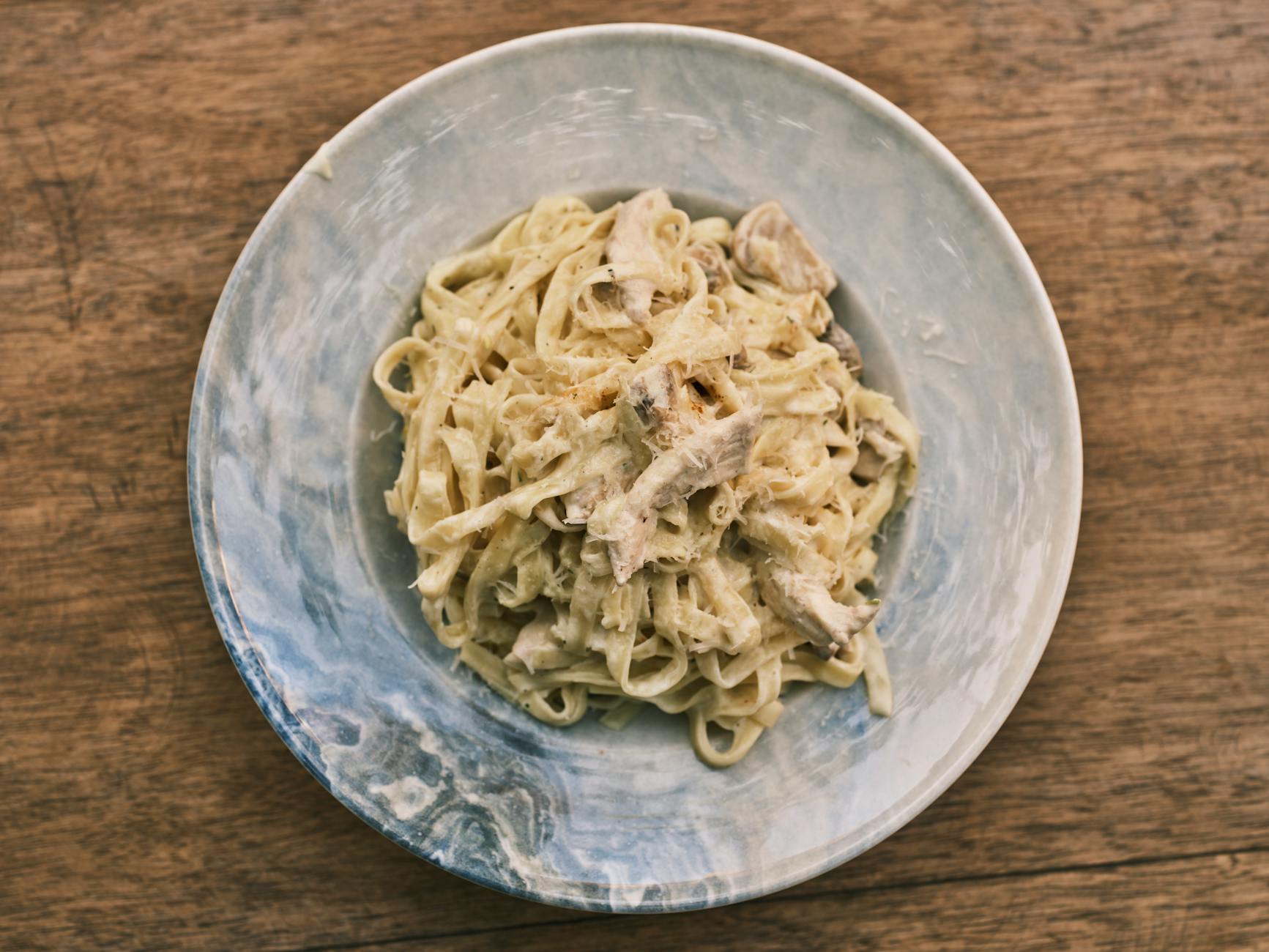
If you head north, the clash shifts to the structure of the carbohydrate. In Rome, pasta is strictly dried. Rigatoni, mezze maniche, bucatini, spaghetti. The egg, when present, goes directly into the sauce raw. In Bologna, the egg goes into the dough. Tagliatelle or tortellini, and perhaps green lasagna on Sundays. The difference in the mouth is sharp and allows no compromises. Roman dried pasta must offer strong resistance under the teeth, almost to the point of annoyance, to hold dense, fatty, and low-liquid sauces. Emilian fresh pasta is silky, porous, designed to welcome ragù rich in mixed ground meat or steaming capon broth. To explore the agricultural and historical complexity of this region, just check the historical notes on the territories of Emilia-Romagna. It is useless to look for good tagliatelle al ragù in the alleys of Trastevere. You will only find imitations for lazy tourists. It is better to take an early fast train to Bologna, sit in an old osteria under the porticoes, eat properly, and return to Rome in time for an aperitivo.
Black pepper versus chili pepper
The official spice of Rome is black pepper. It is ground coarsely and used in abundance to give a kick to dishes that would otherwise fall flat. On gricia, on cacio e pepe, even on Roman-style artichokes stewed in a pan. Head down toward Calabria by Intercity or cross the strait to Sicily, and black pepper almost disappears to leave room for red chili, Pantelleria capers, flavorful olives, and the acidity of citrus fruits. Roman cuisine almost completely ignores lemon in main courses, preferring vinegar. In the South, citric acidity is necessary to cut through the fat of bluefish or fried foods. In Rome, they prefer to accompany animal fat with more fat, or at most cleanse the palate with a very dry glass of white wine from the Castelli Romani. If you decide to stay in the capital and have a sudden craving for Sicilian flavors, there are a couple of decent rotisseries near Piazza Bologna that fry decent arancine. But the light and air of the Palermo markets are always missing, and that is how it should be.
Debunking myths about recipes
Romans defend their recipes as if they were carved in travertine since the time of Emperor Augustus. The historical truth is much more fluid and fun. The famous carbonara, which today causes furious arguments on social media if one dares to use pancetta instead of guanciale, is actually a fairly recent dish. It only started appearing on the menus of Roman trattorias after the Second World War, born by putting together ingredients of necessity. For those who love gastronomic philology, it is very instructive to look at the reconstruction of the history of carbonara and understand how traditions are invented, codified, and consolidated within a few decades. This is to tell you not to take the culinary dogmas you hear around too seriously. Eat gricia in Rome and enjoy the rendered fat, go get a pizza a portafoglio in Spaccanapoli, and order a plate of tortellini in broth in Bologna. You understand Italy if you eat in the right places; you must accept local differences and stop looking for cotoletta alla milanese on menus in Campo de' Fiori.
The Roman trattoria and its equivalents
The physical place where you eat in Rome defines the experience as much as the food. The typical trattoria in the historic center, the one with paper tablecloths, straw chairs, and thick glass tumblers, has a noisy and brisk atmosphere. The Roman waiter often uses the informal 'tu', makes jokes, and brings you the bill before you ask if there is a line outside. In other regions, the liturgy of the meal changes. If you go to Piedmont to taste braised beef or agnolotti del plin, you will sit in piole where the service is more measured, voices are low, and the attention to the wine list is almost obsessive. In Rome, house wine served in one-liter glass carafes is still the norm in many historic spots in Garbatella. This informality of Roman dining confuses many visitors used to calmer rhythms. Yet, it is the best way to immerse yourself in the life of the city. You walk in, sit squeezed between strangers, eat your plate of steaming rigatoni, pay, and go back to walking on the cobblestones. Do not look for white-glove service where it is not needed.