If you take a walk around the Pantheon or the Trevi Fountain, you will immediately notice one thing: the souvenir shops all sell the exact same items. Glow-in-the-dark plastic Coloseums, poorly printed magnets, embarrassing kitchen aprons, and t-shirts of questionable origin. This is mass-produced merchandise that has absolutely nothing to do with Rome. Yet, you only need to step a few yards away from the busiest streets to find a completely different world, made of tufa dust, the smell of tanned leather, and workshops where everything is still made by hand.
Buying an artisan object in Rome is not just about bringing home a piece of the city. It also means keeping alive the network of small workshops that is at risk of disappearing. Here is where to go to find something real, divided by neighborhood and specialty.
The basket makers and the art of wicker in Campo de' Fiori
Just a short walk from the Campo de' Fiori market is a street named after an ancient trade: via dei Baullari. If you move into nearby via dei Cappellari, the traffic noise disappears. Here, some of the last chair-menders and furniture restorers in the area still work.
If you are looking for something light to pack in your suitcase, focus on the small basket-making workshops. Hand-woven wicker baskets and small items are sturdy, smell of wood, and cost much less than you might think. These hand-woven wicker items are durable, carry the scent of natural wood, and vary in price depending on the complexity of the work. The best time to wander down these streets is late afternoon, when the summer heat begins to break and the artisans work with their doors wide open to the street.
Leather and marbled paper in the Regola district
Via dei Giubbonari and via del Pellegrino are historic streets for Roman commerce. If you avoid the clothing chains and look inside the side alleys, you will find workshops that have been working leather for generations. We are not talking about big fashion labels, but artisans who cut and sew bags, belts, and notebooks on the spot.
An essential address for paper lovers is the workshops that produce hand-marbled paper. This technique involves floating colors on a gelatinous liquid, creating unique patterns that are then transferred onto sheets of paper. Every single sheet is a unique piece, impossible to replicate. Notebooks bound in half-leather with marbled paper covers are highly prized, unique creations. You can find these historic workshops in the Regola district, a short distance from the main public transport stops in the center. If you want to learn more about the history of the district and its monuments, you can consult the detailed page on the official tourist portal Turismo Roma.
Antique prints and engravings near Piazza Navona
Another classic Roman souvenir, but one that is often counterfeited with faded photocopies, is the antique print. Views of Rome engraved on copper plates have told the story of the city to Grand Tour travelers for centuries.
In the alleys around Piazza Navona, particularly towards via dei Coronari, a few shops specializing in prints and watercolors still hold out. Here you will not find digital copies, but original sheets from the eighteenth and nineteenth centuries, or modern reproductions printed with manual presses on heavy cotton paper.
- What to look for: views of Rome by engravers like Piranesi or Giuseppe Vasi (modern hand-printed reproductions vary in price based on the subject and size).
- How to avoid fakes: run your fingertip over the print. If you feel the indentation left by the metal plate on the wet paper, you are looking at a genuine artisan work.
- Recommended hours: these shops usually open in the morning and take a break during the afternoon. It is best to plan your visit for the end of the day.
Marble and stone inscriptions in via Margutta
Via Margutta is famous for being the street of artists, painters, and Gregory Peck in the movie Roman Holiday. Today, many art galleries have given way to design studios, but an ancient Roman tradition still survives: that of the stonecutters.
In this quiet, ivy-covered street, you can find small workshops that engrave slabs of marble or travertine. Travertine is the stone used to build the Colosseum. The artisans engrave Latin mottos, famous quotes, or personalized plaques with family names. A small hand-engraved travertine plaque is a real piece of Rome, heavy and tactile. Prices vary depending on the size of the plaque and the number of letters engraved. Via Margutta is easily reached on foot from the nearby metro stations.
Practical tips for shopping in artisan workshops
Buying in historic workshops requires a different approach than shopping at a supermarket or a tourist souvenir stall. Here are three rules to get the best experience:
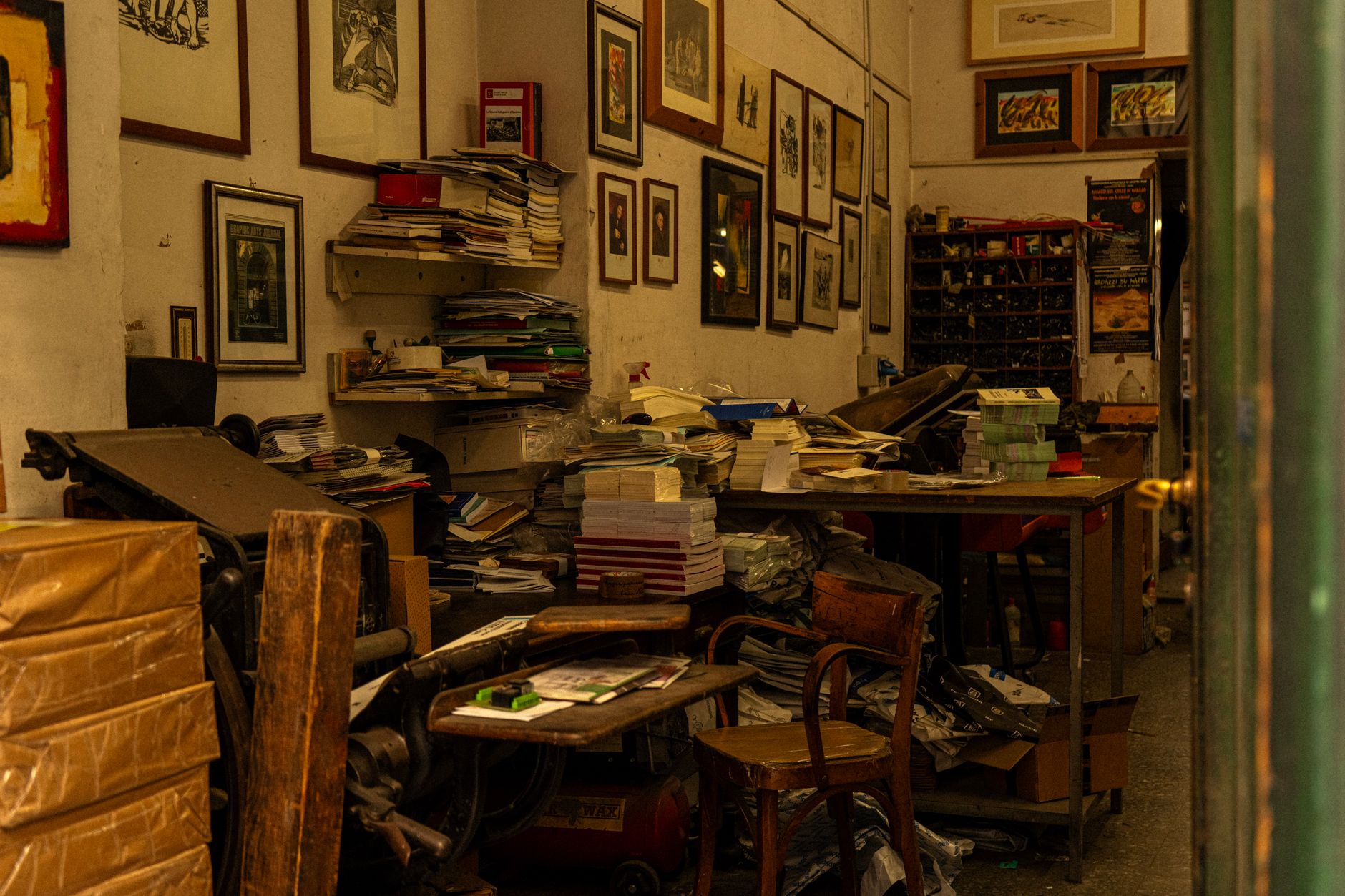
- Always ask to see the back of the shop: true artisans are proud of their work. If you see workbenches full of tools, glues, chisels, and pieces in progress, you are in the right place.
- Do not haggle over the price: manual work takes hours. Workshop prices are not inflated like those of the tourist stalls on the street, so asking for aggressive discounts is considered disrespectful.
- Pay attention to materials: real leather smells like leather and has small imperfections on the surface. If the smell resembles plastic and the surface is perfectly uniform, it is probably not a local handmade product.
If you need general information about shop hours in the historic center or transport to reach these areas, I recommend checking for updates on the official website of the Comune di Roma before setting out, especially during the hot days of July when some workshops might keep shorter hours for the summer break.