Rome in June is hot. Not the breezy kind of heat you get in the hills, but a heavy heat that rises from the cobblestones and sticks to you by ten in the morning. If you are walking through the streets of the historic center, your instinct will tell you to stop at the first outdoor table you see, maybe under the shade of an umbrella with a commercial beer logo. Don't do it. Sitting down without checking the price list is the first mistake made by those who don't know how this city works. Coffee in Rome is a quick, cheap ritual enjoyed standing up at the counter.
The golden rule of the counter and the receipt
In almost every historic spot in the center, there is a huge difference between drinking standing at the counter and sitting at a table. If you sit down, you pay for table service. In the most famous places, that service can cost five times the price of a coffee ordered at the bar.
The correct procedure is simple. Walk in, go straight to the cash register, order what you want, pay, and take your receipt. Only then do you approach the counter, place the receipt in front of the barista, and repeat your order. If you want to act like a true Roman, leave a ten or twenty-cent coin on top of the receipt as a tip for the barista. It is not mandatory, but it will get you faster service and a nod of acknowledgement.
This system applies everywhere, from small neighborhood coffee roasters to historic cafes reviewed in every guidebook. To better understand how commercial regulations and traveler protections work, you can consult the useful information provided by the City of Rome website, which publishes guidelines to avoid unfair pricing in high-traffic areas.
Historic coffee roasters in the center
If you are looking for an espresso with a bold character, there are two historic spots that have been competing for customers for decades. They are close to each other, just a short walk from the Pantheon, but they offer two completely different coffee philosophies.
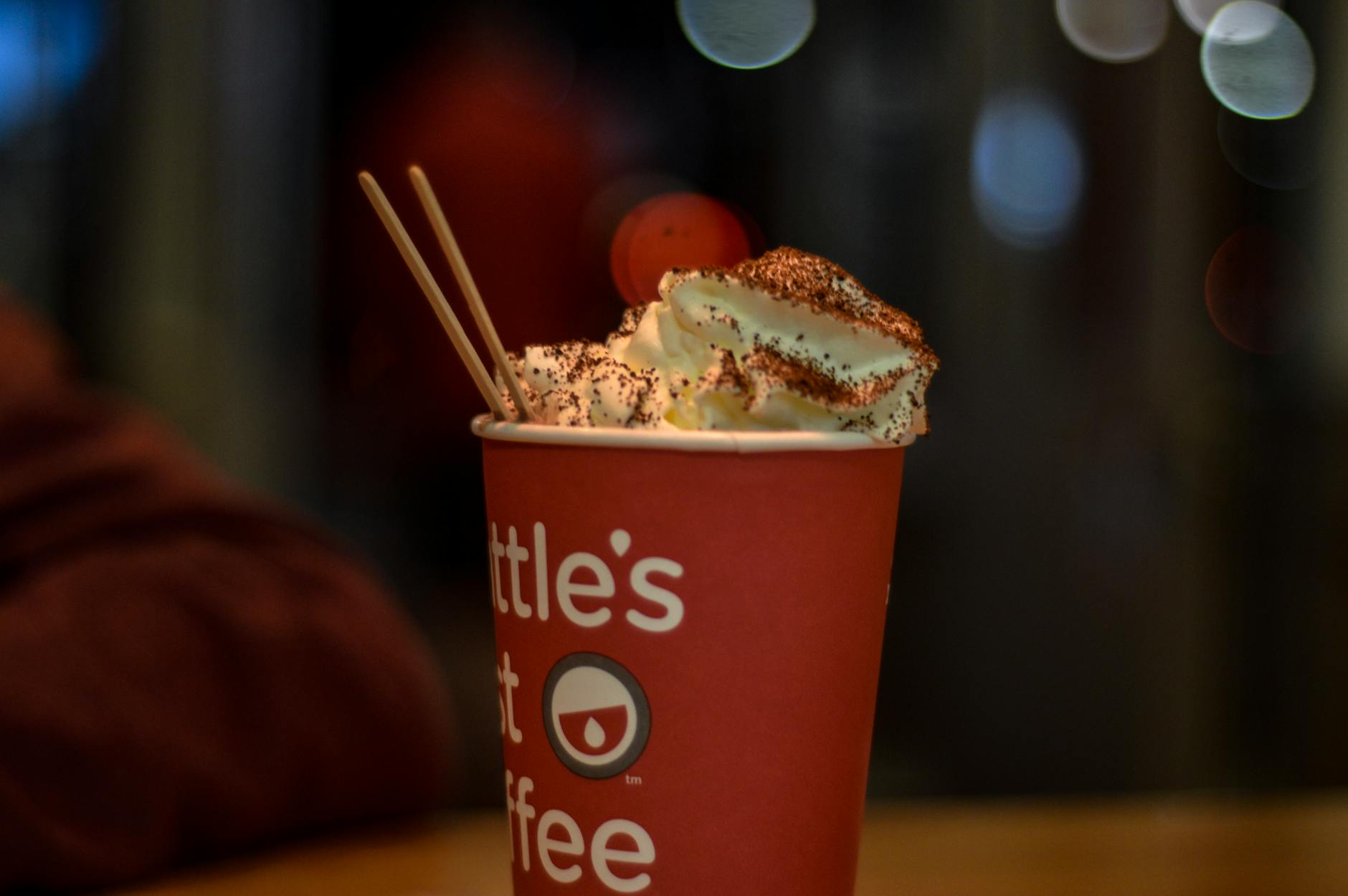
- La Casa del Caffè Tazza d'Oro is located just steps from the Pantheon. Here, the coffee is strong and dark, with a well-rounded blend. The place is always crowded and noisy, with burlap sacks piled in the corners and the constant hum of grinders in the background. In summer, the standard order for regulars is the granita di caffè con panna (coffee granita with whipped cream). It is served in a glass with a layer of fresh whipped cream at the bottom and another on top. It costs just a few euros and is the best way to get through a hot June afternoon.
- Caffè Sant'Eustachio is also located a few steps from the Pantheon. Here, the brewing method is a secret protected by metal screens placed behind the espresso machines. You won't see the barista tamping the coffee or pulling the shot. Their espresso comes already sweetened, with a thick, light froth that feels almost like a cream. If you want it unsweetened, you must specify this first to the cashier, and then clearly tell the barista the word "amaro" as soon as you hand over your receipt. The taste is more delicate compared to Tazza d'Oro.
- Antico Caffè Greco is located near Piazza di Spagna. It is the oldest cafe in the city, open since the eighteenth century. The atmosphere here is different, with paintings on the walls and waiters in tailcoats. Stepping inside is an experience that comes with a high price tag if you decide to sit down. At the counter, the price remains reasonable, but at the tables, prices go up very quickly. If you want to try it, do so at the bar to take in the atmosphere without emptying your wallet.
The Roman cornetto and summer breakfast
Forget flaky, buttery French croissants. The Roman cornetto is a different beast. It is denser, the dough contains eggs and lard, and it is flavored with orange zest or vanilla. The classic Roman breakfast consists of a cappuccino and a cornetto, but in June, with thirty-five degrees Celsius in the shade, a hot cappuccino loses its appeal.
The summer alternative is caffè freddo (sweetened cold coffee), often prepared in advance and kept in large glass bottles in the bar fridge, or caffè shakerato. The latter is made to order: the barista combines hot espresso, ice, and sugar syrup in a metal shaker, shakes it vigorously, and serves a cold drink topped with a velvety foam.
If you are looking for a properly made cornetto, avoid bars that display shiny, defrosted pastries. Head to a quality pastry shop instead.
- Pasticceria Regoli is located a short distance from Termini Station. It has been open since 1916. The star of the show here is the maritozzo con la panna, a soft bun split in half and filled with fresh, lightly sweetened whipped cream. If you prefer something lighter for a summer morning, their plain cornetti or those filled with pastry cream are excellent. There is always a line, but it moves quickly.
- Roscioli Caffè Pasticceria is located near Campo de' Fiori. It is a modern spot run by one of the historic families of Roman baking. Their pastries are crafted with great attention to detail, using high-quality butter and seasonal fillings. There is very little space at the counter, so be prepared to drink and eat quickly.
Gelato and granite to beat the heat
When the summer sun makes walking through the ruins of the Forum exhausting, the only solution is a stop for gelato or a granita. In Rome, gelato culture is serious business, but tourist traps are everywhere. Avoid places displaying mountains of fluorescent-colored gelato: chemical pistachio green or bright blue are clear warning signs. Real artisanal gelato is recognized by its natural colors and is often stored in covered metal tubs called carapine.
- Giolitti is located a short distance from Montecitorio. It is a classic spot famous for its old-school service and the thick whipped cream added on top of every cone. Here too, you pay at the cash register first and then line up at the gelato counter with your receipt in hand.
- Frigidarium is located near Piazza Navona. The unique feature of this place is the option to dip your freshly scooped cone into a bath of melted dark or white chocolate, which solidifies instantly to form a crunchy shell over the gelato. The price is very reasonable for the area.
Unlike the common industrial granita made with syrup and machine-crushed ice, in Rome people enjoy the grattachecca. This is prepared with ice shaved by hand from a large block using a special metal tool, then topped with syrups and pieces of fresh fruit. To find the best historic spots and summer events related to local food, you can check the traditions section on the official tourism portal of Rome, a useful resource for navigating the city's offerings. For updates on summer 2026 and the opening of seasonal kiosks along the river, I recommend taking a look at the local news on RomaToday, which constantly updates its readers on neighborhood news.
Practical tips to avoid mistakes
To avoid misunderstandings and enjoy your cafe stop without stress, keep these simple practical rules in mind:
- The glass of water: in many historic roasters, a small glass of sparkling or still water is served alongside your coffee. It is meant to cleanse your palate before drinking the coffee, not after. This is a free service, but some touristy bars might ask if you want it and then charge you for it. If they hand it to you without asking, it is free.
- Cappuccino after eleven in the morning: Romans never order it after breakfast and find the habit of drinking it during or after lunch bizarre. No barista will refuse to make it for you, but be aware that they will immediately identify you as a tourist.
- Unattended outdoor tables: if you see an empty table outside a busy bar, do not just sit down hoping a waiter will show up. Often, those tables are reserved for full table service, or they require you to order inside first. Always ask the staff before taking a seat.