October in Rome has a unique climate. There is that golden light locals call ottobrata, but the air starts to get cool in the evening and the days are growing shorter. If you are staying in the city for more than five or six days, you might feel the need for a change of scenery for the weekend. Many travelers make the mistake of staying within the same city limits for their entire trip, fearing that moving around will be too complicated or expensive. Fortunately, Rome has an excellent geographical position and, above all, a highly efficient high-speed rail network. From Roma Termini or Roma Tiburtina stations, you can hop on a train and find yourself in another major Italian city in less than two hours, without the stress of renting a car, fighting highway traffic, or going through long airport security lines.
Three destinations in particular are perfect for a two-day trip from Rome, each with a completely different character: Naples, Bologna, and Florence. Each of these destinations can be reached by direct trains departing almost every hour, allowing you to make the most of your time.
Naples in forty-eight hours
The train journey south takes about an hour and ten minutes if you take a direct train with no intermediate stops. You will arrive at Napoli Centrale station, which opens directly onto Piazza Garibaldi. If you arrive early in the morning, your first stop should be Attanasio, a small historic bakery in the alleys near the station. Here you can order a warm sfogliatella, either riccia or frolla, to give you the energy you need to start the day. From there, the metro can take you anywhere, but the best way to understand the city is to explore on foot for as long as your legs can carry you.
Naples in autumn is pleasant because temperatures drop below thirty degrees Celsius, and walking through the narrow alleys is no longer a test of physical endurance. A good starting point is the famous street known as Spaccanapoli, which splits the ancient city in two. Walking along this route, you can stop to see the Sansevero chapel to admire the marble sculptures, or detour toward via San Gregorio Armeno, where artisans work year-round on nativity scene figurines. October is a perfect month for this walk, before the December crowds make the street completely impassable.
In the afternoon, you can walk toward Piazza del Plebiscito to visit the Palazzo Reale and take a look at the Teatro San Carlo. If the weather is uncertain, a good indoor alternative is to go underground to discover the tunnels carved into the tuff stone. To plan your main stops without wasting time, you can consult this suggested classic itinerary to discover Naples in two days, which organizes visits logically to avoid unnecessary backtracking.
For lunch, avoid overly touristy places with promoters outside waving laminated menus. Instead, look for historic fry shops in the alleys for a paper cone of mixed fried seafood and vegetables, or stop for a pizza a portafoglio (folded pizza), which costs just a few euros and is the ultimate local street food. If you prefer to sit down, the tables of the Quartieri Spagnoli offer simple trattorias where service is informal and the dishes are traditional home-cooked classics, like pasta with potatoes and provola cheese.
Bologna between osterias and porticoes
If you prefer to head north, the train to Bologna takes about two hours from Roma Termini. Bologna Centrale station is close to the historic center, which can be reached with a fifteen-minute walk along Via dell'Indipendenza. Bologna is a university town, which means it is always lively, but in a different way compared to purely tourist destinations.
The city is famous for its porticoes, which allow you to walk around even if you run into a typical autumn rainy day. Life here revolves around Piazza Maggiore, home to the Basilica di San Petronio and the Nettuno fountain. From there, you can wander into the narrow streets of the Quadrilatero, the old medieval market where stalls of cured meats, cheeses, and fresh pasta line the streets one after another. Do not miss a detour toward via Piella, where a small window in the wall reveals a hidden canal reminiscent of views in other water-bound cities.
In autumn, Bolognese cuisine is at its best. It is the ideal time to sit down and order a plate of tortellini in broth or tagliatelle with ragù. To find the atmosphere of old osterias, it is worth stepping slightly away from the main commercial streets. You can find great ideas in this food guide to Bologna restaurants, which highlights traditional spots popular with locals, such as the historic trattoria Da Vito on via Musolesi, a place that preserves the memory of the golden years of Bolognese music.
A practical tip to walk off lunch: walk up toward the Basilica di San Luca. The path under the longest portico in the world begins outside the city gates and climbs for nearly four kilometers. It is entirely covered and offers a beautiful view of the surrounding hills, which turn red and yellow in October thanks to the autumn foliage.
Florence on foot without rushing
Florence is only an hour and thirty minutes away from Rome by train. Getting off at Firenze Santa Maria Novella station, you are already just a short walk from the main attractions. The risk with Florence is finding it saturated with visitors, even in autumn. For this reason, the advice is to avoid the most obvious routes during peak hours and move early in the morning.
Instead of lining up for hours outside the Galleria degli Uffizi without a reservation, spend the morning walking toward Ponte Vecchio and then cross the Arno river into the Oltrarno area. This neighborhood still preserves some workshops of artisans, restorers, and leather workers who work in their street-level studios. This is where you can still breathe in the atmosphere of a less touristy Florence.
For a memorable view of the city without paying expensive ticket fees, walk up to the church of San Miniato al Monte, located just above Piazzale Michelangelo. The walk up requires some effort, but the Romanesque facade of white and green marble and the quietness of the place are well worth the trouble. If you go in the late afternoon, you can hear the monks chanting in Gregorian style in the medieval crypt.
If you want a quick and cheap bite to eat, avoid the cafes in Piazza del Duomo. It is better to head toward the Mercato Centrale in the San Lorenzo neighborhood. On the ground floor, you will find historic meat, cheese, and vegetable stalls, while on the first floor, a large food court lets you choose from various local specialties, from the lampredotto sandwich to Tuscan schiacciata seasoned with olive oil.
How to organize your train trip
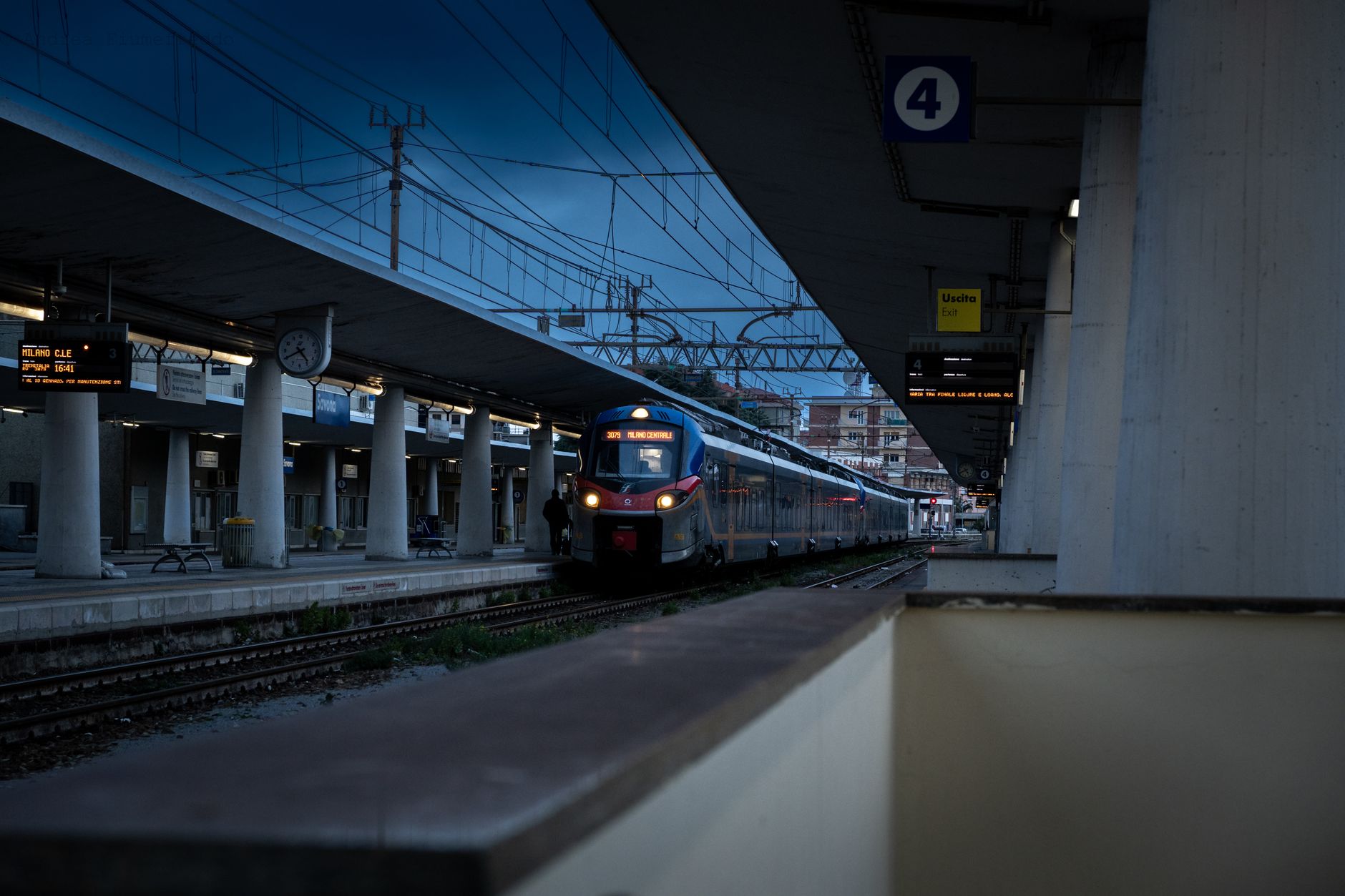
Planning a weekend getaway from Rome requires only a few, specific steps to avoid overspending or finding yourself without practical options. The most common mistake is thinking you can buy high-speed train tickets at the last minute at the station. Train fares work like airfares: they vary greatly based on demand, and seats tend to sell out quickly, especially on October weekends when many travel for tourism or to return home.
Here are some useful tips for managing your rail travel:
- To travel between major cities, you can use the services of the main high-speed rail companies, which offer frequent and comfortable connections.
- Tickets purchased three or four weeks in advance often cost half as much as those bought on the day of departure. Check the fares on the official websites of both companies to compare schedules.
- If you have a lot of luggage and need to return to Rome for your final hours before your flight or final departure, you can check the luggage storage options available on the official Turismo Roma portal to find secure solutions near the main stations and travel light.
- Regional trains are much cheaper but take twice or three times as long, stopping at every intermediate station. For a trip of only two days, the extra cost of high-speed rail is fully justified by the time saved.
Choose just one city for your weekend. Trying to see both Florence and Bologna in two days will only leave you exhausted and with the feeling of having rushed through everything from a train window, without truly tasting anything that makes these places unique.