Many people arrive in Rome with a clear plan: to see ancient temples and Baroque churches. Yet there is another city made of reinforced concrete and temporary installations that tourists often overlook, convinced that the capital stopped evolving in the seventeenth century. Those of us who live here know that the contemporary art scene has its own permanent spaces, often carved out of old abandoned factories or working-class neighborhoods. October is the perfect month to discover them. Roman days at this time of year are cool and the light is golden, making it easy to walk from one exhibition space to another without the exhaustion of the summer heat.
MAXXI and the Flaminio neighborhood
The journey into contemporary art begins in the north, in the Flaminio neighborhood. This is where you find MAXXI, the national museum of 21st-century arts designed by architect Zaha Hadid. The building is a work of art in itself, with its large gray concrete walls crossing suspended in mid-air. If you go in the late afternoon, the autumn light casts sharp geometric shadows on the exterior surfaces, making the outdoor plaza a pleasant place to sit, even just to read a book.
Inside, the exhibition spaces change layout frequently. For example, the entrance area is periodically modified by site-specific installations like 'ENTRATE', where moving elements alter how visitors perceive the passage. There is also the 'Roma nel Mondo' exhibition, which compares the capital with other global metropolises through detailed data and maps.
To plan your visit, keep in mind that the museum is open from Tuesday to Sunday, from 11:00 to 19:00. The ticket office closes an hour earlier, so I recommend not arriving after 17:30 if you want to see the collections at your own pace. You can check updated rates and discounts directly on the page with MAXXI opening hours and tickets. To find out which temporary exhibitions are on when you arrive, take a look at MAXXI temporary exhibitions. For updated information on ticket prices and available discounts, please consult the official MAXXI website.
For detailed directions on how to reach the museum by public transport, you can check the ATAC website. From the stop, it is a five-minute walk. After your visit, you can stop for a drink in the bars along Via Guido Reni, which are mostly frequented by locals and students from the nearby architecture faculty.
MACRO on Via Nizza
Another recommended stop is MACRO, located in the Salario neighborhood. This exhibition space occupies the premises of the former Peroni brewery, an example of industrial archaeology converted into a cultural hub. The contrast between the red bricks of the early twentieth-century factory and the black steel and glass structures designed by architect Odile Decq is sharp and interesting.
MACRO operates on a different model compared to traditional museums, often offering free admission to many of its exhibition areas. This makes it perfect for an unplanned stop during the day. Inside, you will find avant-garde installations, contemporary art exhibitions, and experimental research projects. To check the current exhibition schedule before you go, you should consult the official MACRO website.
One detail not to be overlooked is the roof terrace, accessible during museum opening hours. It is a quiet space offering views of the surrounding neighborhood rooftops, far from the chaos of street traffic.
To plan your route by public transport, we recommend checking the available lines on the ATAC website. The area around Via Nizza is full of small restaurants and diners. Avoid the places on the main streets and look for trattorias on the side streets, such as Via Cagliari or Via Bergamo, where you can eat well without spending a fortune.
A meeting with the classics at Galleria Borghese
Even venues dedicated to classical art sometimes host exhibitions that create a close link between the ancient and the modern. At Galleria Borghese, historical sculptures periodically coexist with temporary exhibitions dedicated to great masters of the past and contemporary reinterpretations. For example, the works of Gian Lorenzo Bernini have been paired with thematic exhibitions that help us understand how classical sculpture still speaks to today's public. You can learn more about these initiatives by visiting the page dedicated to the Bernini exhibition at Galleria Borghese.
The gallery is located inside the Villa Borghese park. In October, walking under the changing colors of the plane trees is one of the main reasons to come out here. The big mistake to avoid with Galleria Borghese is thinking you can buy a ticket on-site on the day of your visit. For information on entry requirements and booking, please consult the official Galleria Borghese website. If you cannot find a spot, the only alternative is to hope for a last-minute cancellation by calling the ticket service directly.
How to get there: you can take metro line A to Flaminio or Spagna, and then walk through the park for about twenty minutes. Alternatively, you can check the active public transport lines on the ATAC website.
Street art in working-class neighborhoods
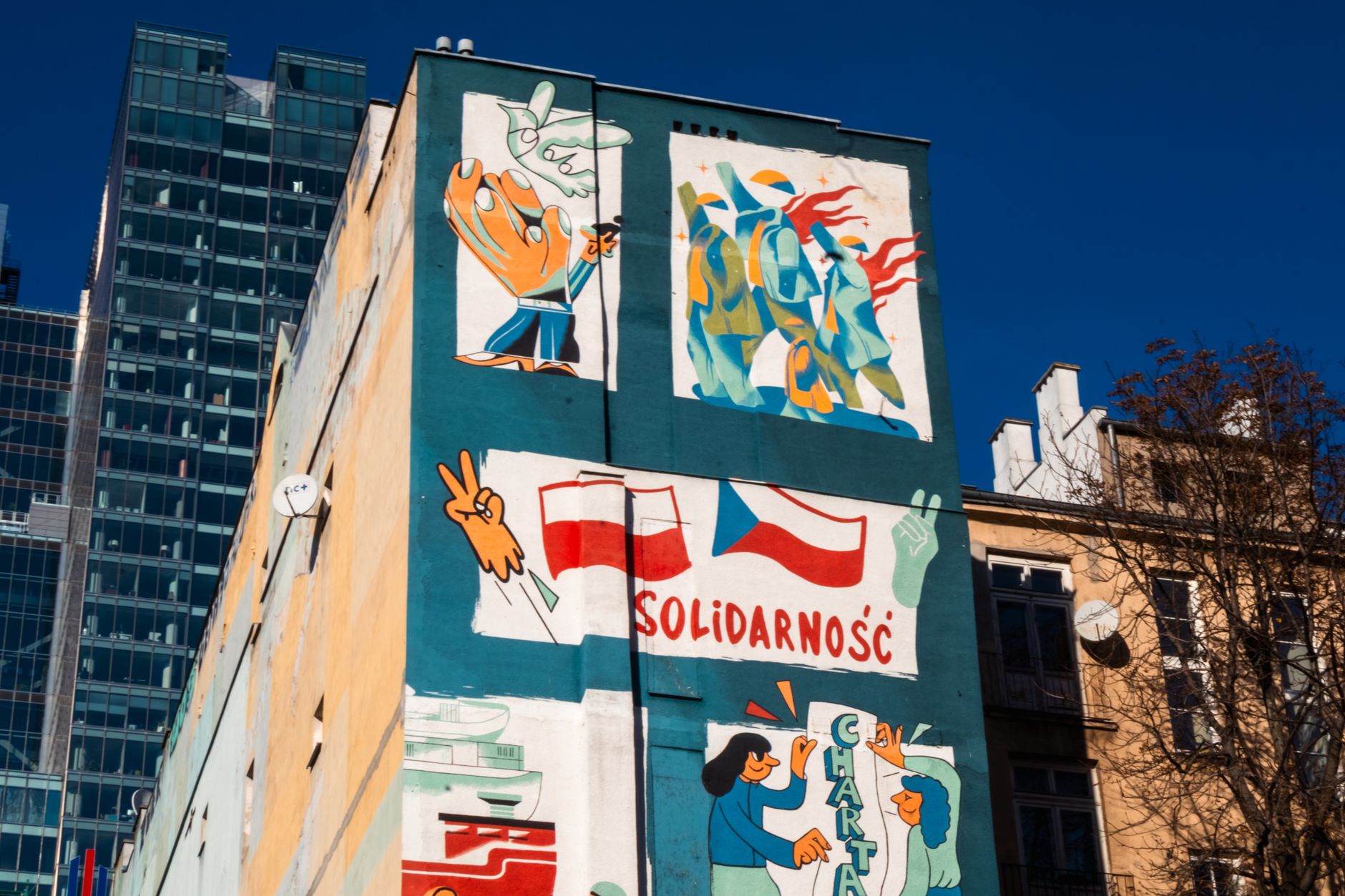
If you prefer art without a ticket and in the open air, you need to head towards Rome's outer neighborhoods. Street art has changed the face of entire areas that were once considered merely industrial zones or residential transit points.
The most structured project is in Tor Marancia, inside the neighborhood's historic public housing complex. Here, eleven buildings of the historic lot have been entirely painted by international artists. The facades are covered with huge, colorful murals telling different stories, connected to local history or universal themes. You can walk freely between the buildings of the complex, observing how art integrates with the daily lives of the residents. I urge you to respect the peace and quiet of those who live here while taking your photos.
Another area to explore on foot is Ostiense. If you want to explore the area on foot, you can stroll through the streets of the Ostiense district to discover the murals. You will find large works on the walls of old warehouses, such as the multicolored face painted by the artist Blu on the former air force barracks. Not far away, the iron structure of the Gazometro dominates the skyline, offering a constant visual reference point during your walk.
How to get there:
- For Tor Marancia: take metro line B to Garbatella, then walk for about twenty minutes or take bus 716 from Piazza Venezia.
- To reach Ostiense, you can take the metro and then move around the neighborhood on foot. The area is also excellent for dinner, with many historic pizzerias serving the typical thin and crispy Roman-style pizza.
Tips for organizing your visits
To enjoy contemporary art in Rome without stress, here are some practical tips based on my own experience on the ground:
Plan your journeys carefully. The museums and street art areas are spread out in distant parts of the city. Do not try to see MAXXI and Tor Marancia on the same day, as you risk spending hours on public transport. It makes much more sense to pair MAXXI with a walk in Villa Borghese, and save MACRO or the street art of Ostiense for another dedicated half-day.
As for tickets, booking online in advance is the only real option for Galleria Borghese. For MAXXI, booking is recommended, especially on October weekends, when the city fills with visitors drawn by the pleasant weather of the Roman ottobrata.
Finally, transport requires a bit of patience. While Ostiense is well served by the metro, reaching MAXXI in Flaminio or MACRO on Via Nizza will require a combination of metro, tram, and bus. Use the official public transport apps to check real-time waiting times at stops, rather than relying solely on the scheduled times shown on the boards.