September in Rome is a strange month. The heavy summer heat finally begins to give way to cooler evenings, and the overall pace of the city changes. For anyone visiting Rome at this time of year, the entertainment scene shifts dramatically. Large outdoor arenas gradually dismantle their summer stages, and historic theaters reopen their doors to launch the new autumn season. If you are here in autumn, you will find yourself in a transition phase where you can still catch a few final outdoor performances or dive straight into prestigious indoor concert seasons. This guide helps you navigate venues, theaters, and arenas without falling into the usual tourist traps or paying inflated prices for tickets.
Great music at the Auditorium Parco della Musica
Rome's real music lineup is not found in the alleys of the historic center, but slightly further north, in the Flaminio district. This is where you will find the Auditorium Parco della Musica Ennio Morricone. It is not an ancient structure: it is a modern complex designed by architect Renzo Piano, consisting of three large independent halls that resemble the shape of three beetles or overturned lutes, arranged around an outdoor amphitheater called the Cavea. For information on how to reach the Auditorium by public transport, check the ATAC website.
In September, the programming resumes at full capacity after the summer break. For example, if you are in town on Sunday, September 27, 2026, Sala Santa Cecilia hosts Rachmaninoff's famous Concerto No. 3, while on Tuesday, September 29, 2026, the program is a classical arrangement of Lucio Battisti's songs by guitarist Roberto Fabbri. You can check updated details on dates and buy official tickets directly on the autumn program of the Auditorium Parco della Musica.
The main hall of the complex is home to the Accademia Nazionale di Santa Cecilia, one of the oldest musical institutions in the world. Their symphonic concerts offer excellent acoustics thanks to a ceiling entirely lined with cherry wood. If you want to attend a world-class concert during your stay, it is best to check the symphonic concert calendar in advance to secure the best seats. Tickets for the side galleries still offer excellent sound quality; for updated rates and availability, check the Santa Cecilia website.
Opera and seasonal stage changes
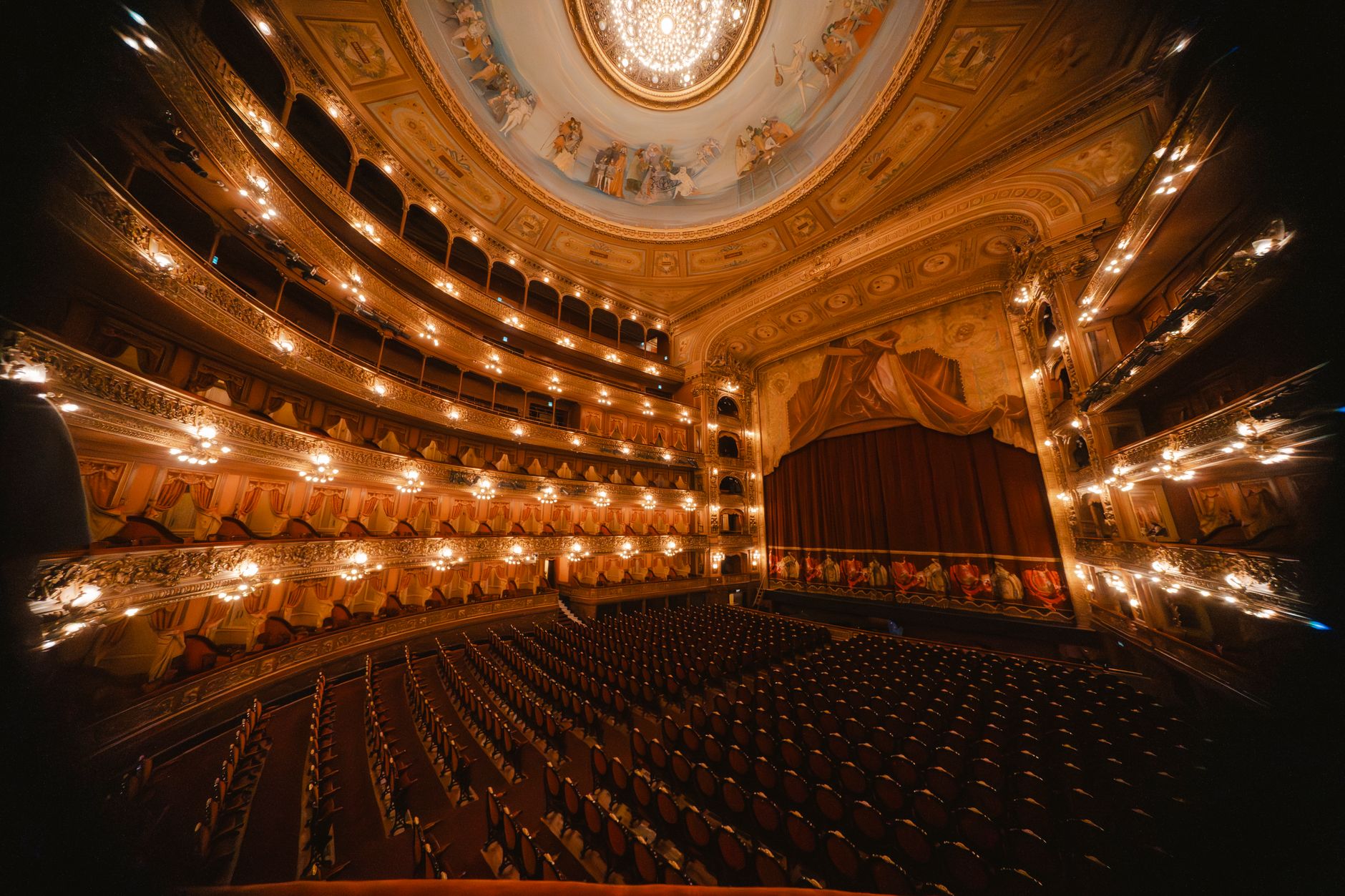
The ultimate reference point for opera and ballet lovers is the Teatro dell'Opera di Roma, located a short distance from Termini railway station. The building is a classic nineteenth-century theater, with interiors decorated in red and gold and a painted dome of great historical value.
During the warmest months of the year, performances traditionally move outdoors. The historic venue for these summer shows is the monumental Terme di Caracalla, but due to major restoration and conservation work at the archaeological site, some recent seasons have been temporarily moved to the Circo Massimo, where the total capacity is increased to host up to six thousand spectators per evening. The details and history of these logistical shifts are described in the Rome Municipality press release on the Teatro dell'Opera.
Starting in mid-September, performances return permanently to the main indoor venue. If you decide to go to the opera during this period, remember that there is no strict dress code, but wearing shorts and flip-flops will definitely make you feel out of place. A common mistake to avoid is buying tickets through secondary online resale agencies, which apply huge markups to standard rates. Always use official channels or go directly to the theater's physical box office in Piazza Beniamino Gigli to check actual seat availability.
Historic theaters and drama in the center of Rome
For those who prefer drama, Rome offers historic spaces that carry centuries of Italian performing arts history. The most important of these is the Teatro Argentina, located in Largo di Torre Argentina. This theater sits right in front of the archaeological area where Julius Caesar was killed and is one of the oldest theaters in the city still in full operation, originally opened in 1732.
Another significant historic space is the Teatro Valle, located in a narrow alley between Piazza Navona and the Pantheon. This theater is famous for hosting the world premieres of some of Luigi Pirandello's most important dramatic works during the nineteenth and twentieth centuries.
To reach the Teatro Argentina, you can easily walk if you are staying in the historic center, or use one of the many bus lines that stop directly in the square, such as the 40 or 64 from Termini station. The plays are almost exclusively in Italian, but the architectural beauty of the interiors justifies a visit just to admire the historic boxes and decorated ceilings. To check opening hours and the availability of any guided tours inside the city's historic theaters, you can consult the information sheets on the official tourist portal of Rome.
Practical tips for planning your evening and avoiding common mistakes
Attending an evening show in Rome requires a bit of logistical planning, especially regarding public transport and dinner times.
Rome's evening public transport network can be complex to navigate after a certain hour. For updated subway operating hours, check the ATAC website. If you are attending a concert at the Auditorium Parco della Musica Ennio Morricone, tram 2 is very convenient on the way there, but on the way out, the large crowds make it difficult to board the first available vehicles. My practical advice is to walk for about ten minutes toward Piazza Mancini, where several buses depart for the center, or use official apps to book a taxi without waiting on the street.
Another important aspect is dinner. Roman restaurants rarely open their kitchens before 7:30 PM or 8:00 PM. If the show you plan to attend starts at 8:00 PM, you will have to eat after the performance ends. Since many kitchens close around 11:00 PM, it is best to book a table in advance at a trattoria near the theater that guarantees late service. If you are at the Teatro dell'Opera di Roma, avoid the tourist spots located right next to Termini station and walk for about ten minutes toward the Monti district, where you will find quality trattorias serving typical food late into the night.
Inside the main theaters, a cloakroom service is usually available where you can leave umbrellas, bulky backpacks, and heavy coats before entering the hall. During intermission, the theater bars crowd quickly. To avoid long lines and the risk of not finishing before the show resumes, you can pay for your drink at the bar before the event starts, keeping the receipt to present directly at the counter during the break.
Finally, always carefully check the exact address printed on your ticket. Many autumn festivals use temporary spaces or redeveloped former industrial complexes that do not coincide with the official venues of the respective theater companies, risking making you arrive at the wrong place at the last minute.