
Arriving in Rome in July means dealing with relentless heat and a city whose pace is dictated by the season. There is no need for long descriptions, you just need clear information to avoid wasting time and money. Here is a practical guide to managing the daily details of your trip, from phones to tipping, and handling emergencies under the summer sun.
How to get internet on your phone without spending too much
A stable connection is essential for maps, transit tickets, and restaurant reservations. If you are arriving from outside the European Union, avoid activating roaming with your home provider, as the rates are extremely high.
The three main options are:
- International eSIM: You can buy this online before you leave from services like Airalo or Holafly. You do not have to swap physical cards, and it activates as soon as you land. Prices vary depending on the data and the package you choose.
- Physical SIM from low-cost carriers: If you prefer an Italian card, the main operators offer dedicated monthly rates with large data packages. You can find their vending machines, called Simboxes, inside Termini Station or in shopping centers. You will need a valid ID and a credit card for payment.
- Major carrier stores: Stores for TIM or Vodafone, located both at the airport and on central streets like Via del Corso, sell dedicated tourist packages. These packages include plenty of data and international minutes, but they require some time for registration and activation.
Paying in Rome: cash, cards, and the tipping question
The currency in Italy is the euro. Many travelers wonder how much cash they actually need and what to do when the bill arrives at a restaurant.
- Credit and debit cards: You can pay by card almost everywhere, even for a one-euro coffee. Visa and Mastercard are accepted everywhere, while American Express is sometimes refused in small shops or family-run trattorias.
- Cash is still useful: Always keep 20 or 30 euros in small bills, like 5 or 10 euros, in your pocket. You might need them to pay for taxis if the card reader has connection issues, to buy a bottle of water at a kiosk, or to leave a tip.
- Tipping in restaurants: Tipping is not mandatory in Italy, and waiters receive a fixed salary. On your bill, you will often see an item called "pane e coperto" (bread and cover charge), which is a flat fee for the service and table setting. If the service was good, leaving 5% or 10% in cash on the table is a nice gesture, but no one will look at you poorly if you do not. Do not add the tip to your credit card payment, as it often does not go directly to the waitstaff.
Public transit tickets and getting around
Getting around Rome requires a bit of planning, especially when temperatures climb past thirty-five degrees.
- Single ticket (BIT): For updated rates and validity of the single ticket, check the ATAC website. You can use it for a single metro ride and for multiple bus rides within the time limit.
- Contactless payment (Tap & Go): You can pay directly at the metro turnstiles and on board many buses by tapping your credit card or phone on the readers. There are no extra fees compared to a single ticket.
- Tourist passes: If you plan to use public transit frequently, multi-day tourist passes are available; for updated rates and details, check the ATAC website. You can buy them at ticket machines in metro stations like Termini Station or Piazza di Spagna.
Opening hours for shops, supermarkets, and the afternoon break
In July, the sun is intense, and the city adapts its pace during the hottest hours of the day. Shop hours reflect this habit.
- Clothing stores and major chains: On major shopping streets like Via del Corso or Via Cola di Rienzo, shops generally remain open all day without a break.
- Artisan workshops and small shops: In the smaller side streets, businesses often close for a lunch break, typically from 1:30 PM to 4:30 PM, and then reopen until 7:30 PM or 8:00 PM.
- Supermarkets: Major chains like Conad or Coop in the historic center are open every day, including Sundays, from 8:00 AM to 9:00 PM or 10:00 PM. In small neighborhood grocery stores, hours are shorter, and you will find almost everything closed on Sunday afternoons.
- Summer closures: If your trip extends toward the end of July or the beginning of August, keep in mind that many small family-run businesses, including some historic trattorias, close for holidays for at least two weeks around August 15th.
On-duty pharmacies and staying healthy in the sun
The July heat in Rome can be intense. It is easy to underestimate hydration when walking for hours on cobblestones.
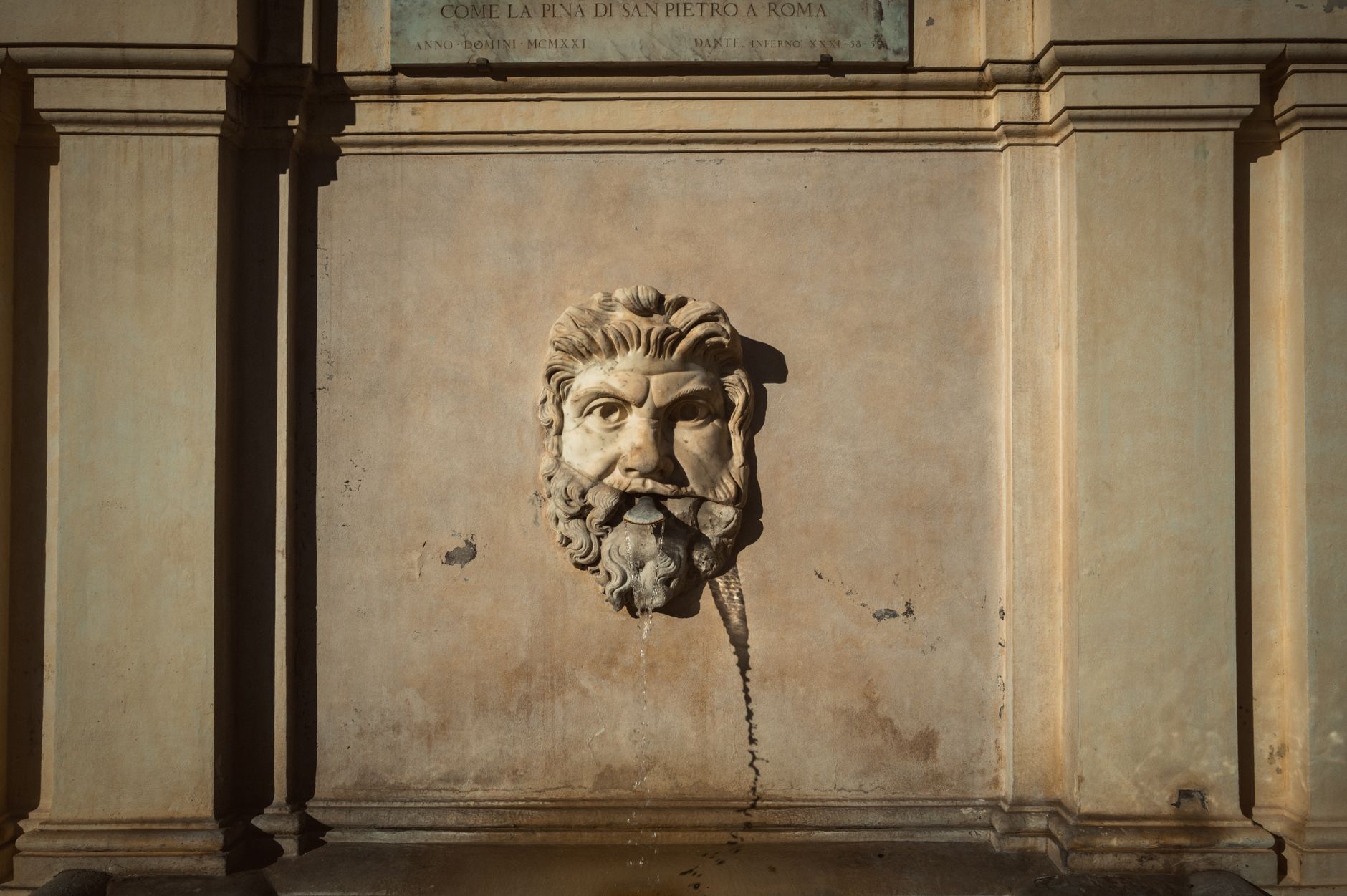
- Free water: Do not buy plastic bottles from street vendors. Rome is full of public cast-iron drinking fountains, called "nasoni" (big noses). The water is cold, safe to drink, and free. You can locate them using the free app Wanny or simply by looking around.
- On-duty pharmacies: Pharmacies generally follow split daytime hours from Monday to Saturday. At night and on holidays, they rotate according to a shift system. You can find a sign listing the nearest open pharmacy posted outside any closed pharmacy. In the center, Farmacia Piram near Termini Station and Farmacia della Scalinata near Piazza di Spagna often have extended hours or 24-hour service. To check open pharmacies in real time or for other useful information, you can consult the official portal Turismo Roma.
- Emergency numbers: For any medical or safety emergency, use the free emergency numbers active in the country. An operator will answer and direct you to the ambulance or police. The service is free and works from any phone, even without an Italian SIM card.
Practical tips for different travel styles
To help you organize your trip, here is how to navigate the city based on your specific needs:
- If you are traveling on a budget: Buy an Iliad SIM card as soon as you arrive at Termini Station, use only the "nasoni" fountains for water, and shop at Conad supermarkets for quick lunches. Avoid outdoor tables at historic cafes if you just want a quick coffee; drink it at the counter to pay the regular price without the table service surcharge.
- If you arrive at night: Make sure you have an active eSIM on your phone before landing. If you need to take an official taxi from Fiumicino Airport, check the updated rates and regulations on the portale del Comune di Roma to avoid unlicensed drivers. Remember that small shops are closed at night, so keep some cash on hand for emergencies.
- If you are traveling in a group or with children: Plan your visits to archaeological sites early in the morning, by 9:00 AM, or in the late afternoon. During the hottest hours, between 12:00 PM and 4:00 PM, head into air-conditioned museums or return to your accommodation to rest.